Skip to content
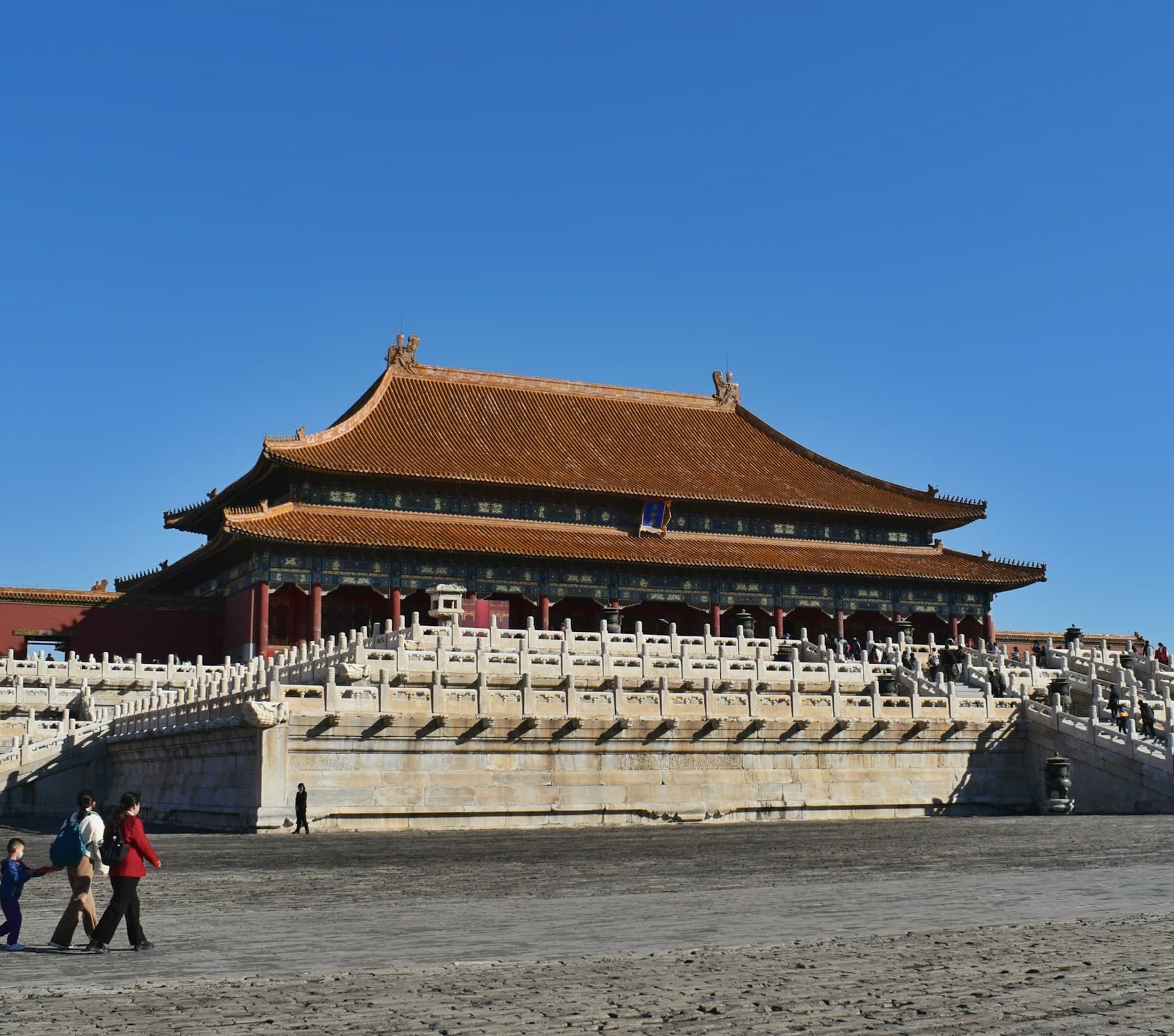
A Forbidden City palace hall beneath a clear blue Beijing sky

North China · China city guide

Beijing

Imperial landmarks, the Great Wall and lived-in hutongs — plan the bookings, routes and everyday essentials for your first days in China.

Reviewed 21 October 20264–5 days9 official sources
Photo: Conor Murphy / Unsplash

Overview

Beijing at a glance

Beijing is a strong first stop in China when you want imperial history, a Great Wall day and time in the city's working neighbourhoods. The distances are large, so grouping sights by area makes the trip easier.

Start with one palace day, one Wall day and one slower day for temples and hutongs. Four or five days leaves room for the Summer Palace, weather changes and jet lag. Book the Forbidden City first, then arrange the rest around that date.

Best time
Apr–May · Sep–Oct
Suggested stay
4–5 days
Airports
PEK · PKX
Currency
CNY (¥)
Language
Mandarin
Time zone
UTC+8

Entry & visas

China's 30-day visa-free entry covers ordinary passports from 50 countries; 48 are currently listed through 31 December 2026, Russia through 2027 and Brunei without an end date. The 240-hour transit rule covers 57 countries via designated ports and permitted areas and requires a confirmed onward ticket to a third country or region. Check the visa guide and NIA for the passport you will actually carry.

Read the full entry guide
Book before you go

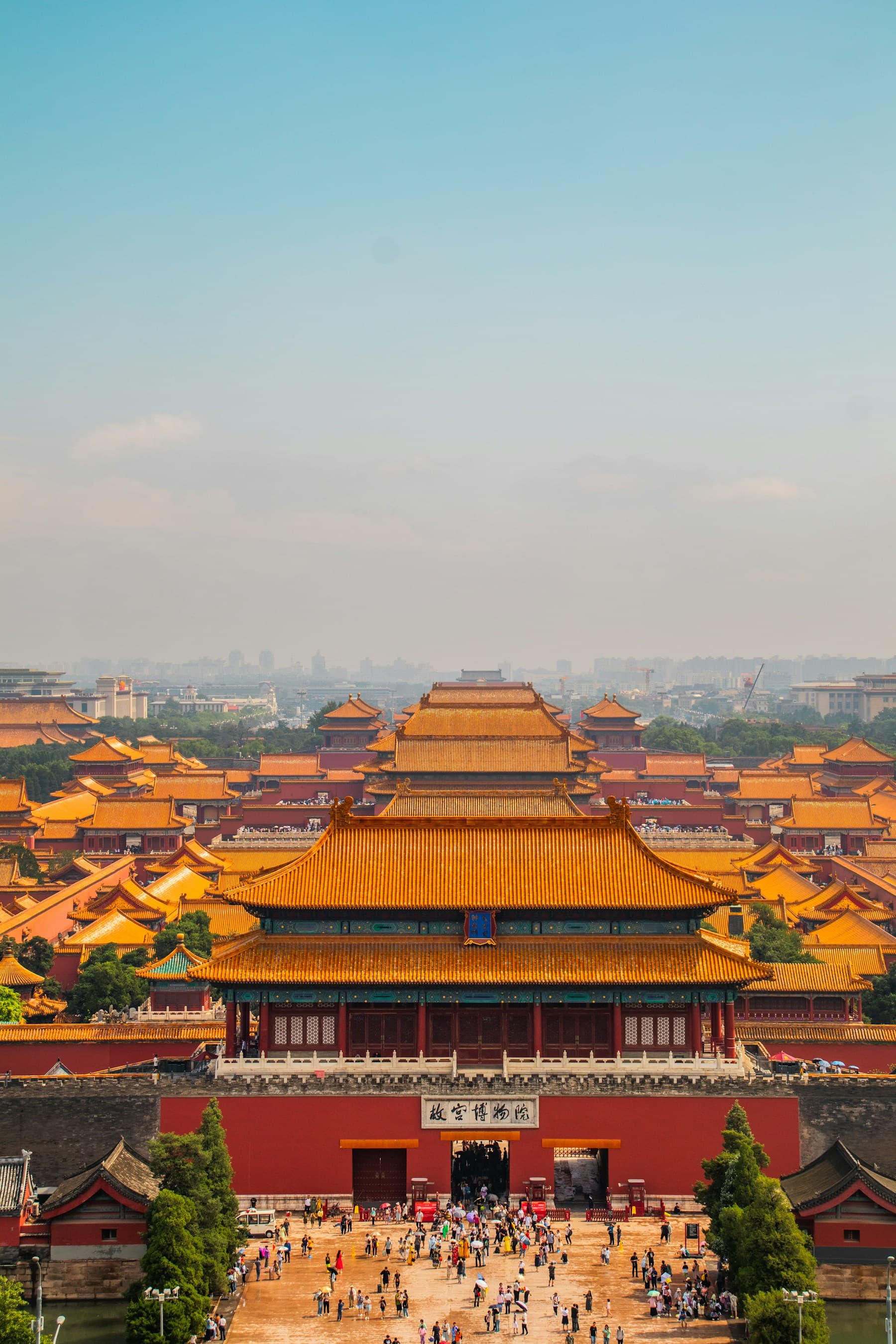
Forbidden City tickets open 7 days ahead at 20:00 Beijing time; there are no same-day tickets. Tiananmen Square needs a separate free reservation through its WeChat mini-program, and a National Museum or Chairman Mao Memorial booking can also provide access. Fix the palace day first.

Book Forbidden City (official)

When to visit

Best time to visit Beijing

April–May and September–October is the most comfortable window for most visitors. Check the holiday calendar before fixing dates, and keep a spare half-day for weather or queues.

April – MayBest

Spring

12–25°C, mild and mostly dry

Blossoms in the parks and comfortable walking weather. Occasional dusty days in early April pass quickly.

Pack layers and a light mask — wind and dust occasionally blow through in early April.

June – AugustWorkable

Summer

25–33°C, hot with heavy showers

Peak domestic travel season. Schedule indoor sights and museums for midday, and do the Wall early in the morning.

Carry water, sunscreen and a compact umbrella — downpours arrive fast and pass fast.

September – OctoberBest

Autumn

10–23°C, clear and stable

Often clear and comfortable. The National Day holiday around 1 October brings heavier crowds and higher prices; exact days vary by year.

Book flights, hotels and Forbidden City tickets early — this is everyone's preferred window.

November – MarchChallenging

Winter

-8–5°C, cold and dry

Freezing mornings but few crowds, low prices and striking blue-sky days between cold fronts. Some sights close for Chinese New Year.

Bring a real down coat, gloves and lip balm — indoor heating runs warm and dry.

National holidays change transport, hotel prices and timed-ticket availability. Check the official calendar before you lock a route.

China travel calendar

Attractions

Top things to do in Beijing

What each place adds to a trip, how long to allow and the booking rule that can change your day.

Civic1–1.5 hours

Tiananmen Square

The vast ceremonial square at the centre of the imperial axis, with the Gate of Heavenly Peace to the north and the Forbidden City immediately beyond.

A free reservation is required. The official web portal does not support non-Chinese phone numbers; use the “Tiananmen Square Reservation” (天安门广场预约参观) WeChat mini-program or ask someone to reserve for you. Each order covers up to 7 people, and a booking for the National Museum or Chairman Mao Memorial can also provide access. Check the official FAQ.

Fit it in: Enter from the south, walk north across the square and continue to the Forbidden City's Meridian Gate. Allow time for security and ID checks.

Hours
Check daily opening and security hours
Admission
Free; reservation required
Time needed
1–1.5 hours
Official visitor information
Imperial3–4 hours

Forbidden City

China's best-preserved palace complex, walked along its central axis from Meridian Gate to the imperial garden.

Hours
Daily except Mondays; open on statutory holidays
Admission
CNY 60 Apr–Oct · CNY 40 Nov–Mar; galleries CNY 10 each
Time needed
3–4 hours

Official tickets open 7 days ahead at 20:00 Beijing time. No same-day tickets; enter at Meridian Gate with the passport used to book.

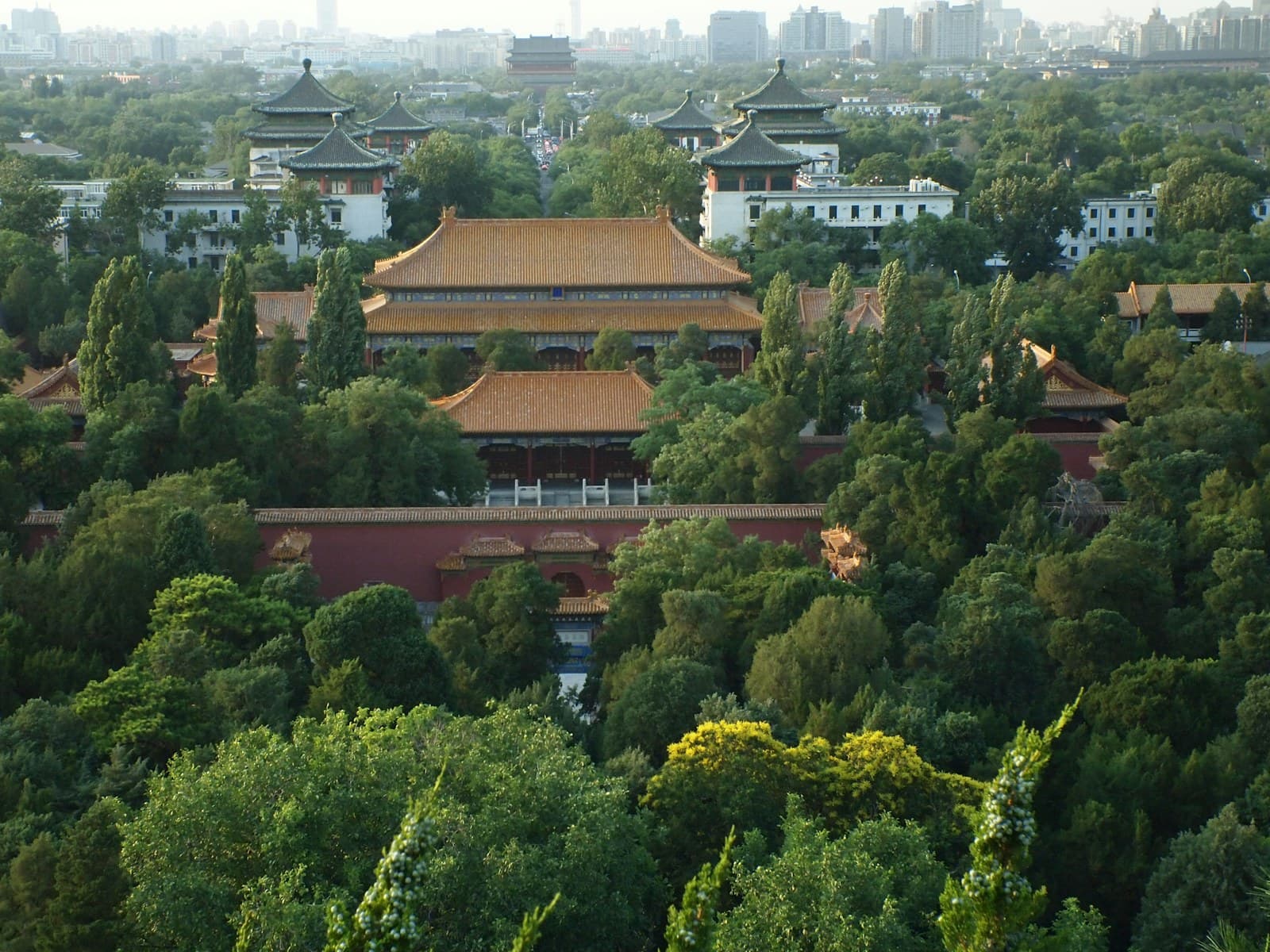
Fit it in: Walk south to north; Jingshan Park is directly beyond the north exit.

Official visitor information
Day escapeFull day with travel

Great Wall · Mutianyu

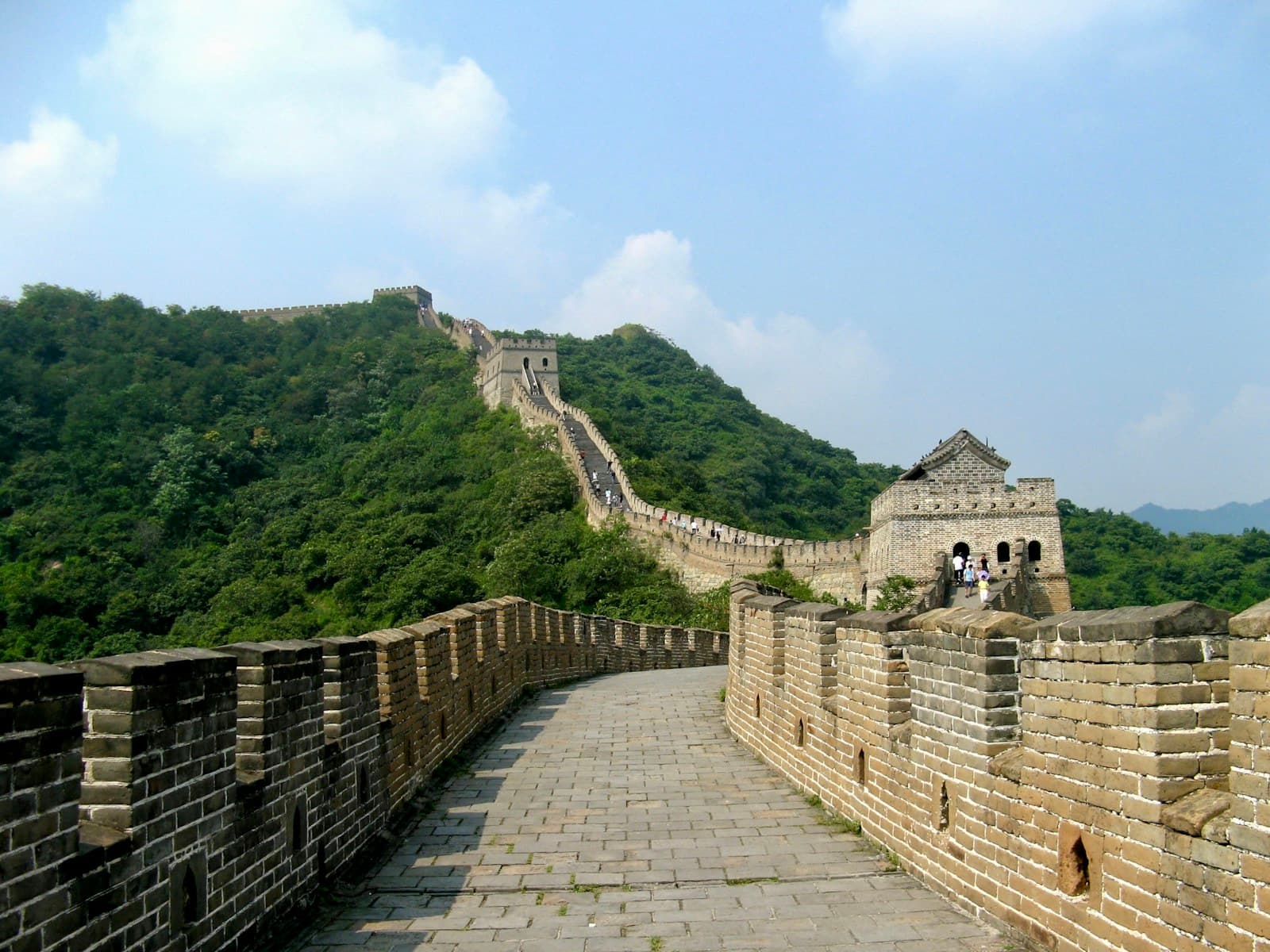
A restored, scenic section north of Beijing, with accessible routes via cable car or chairlift and longer walks between watchtowers.

Hours
Peak 07:30–18:00 · off-peak 08:00–17:30
Admission
CNY 45 entry; cable car or chairlift extra
Time needed
Full day with travel

The official visitor guide says advance reservation is not required. Check current tickets and transport before travelling.

Fit it in: Treat the Wall as a full-day outing. Confirm the return bus or transfer before departure.

Official visitor information
Imperial2–3 hours

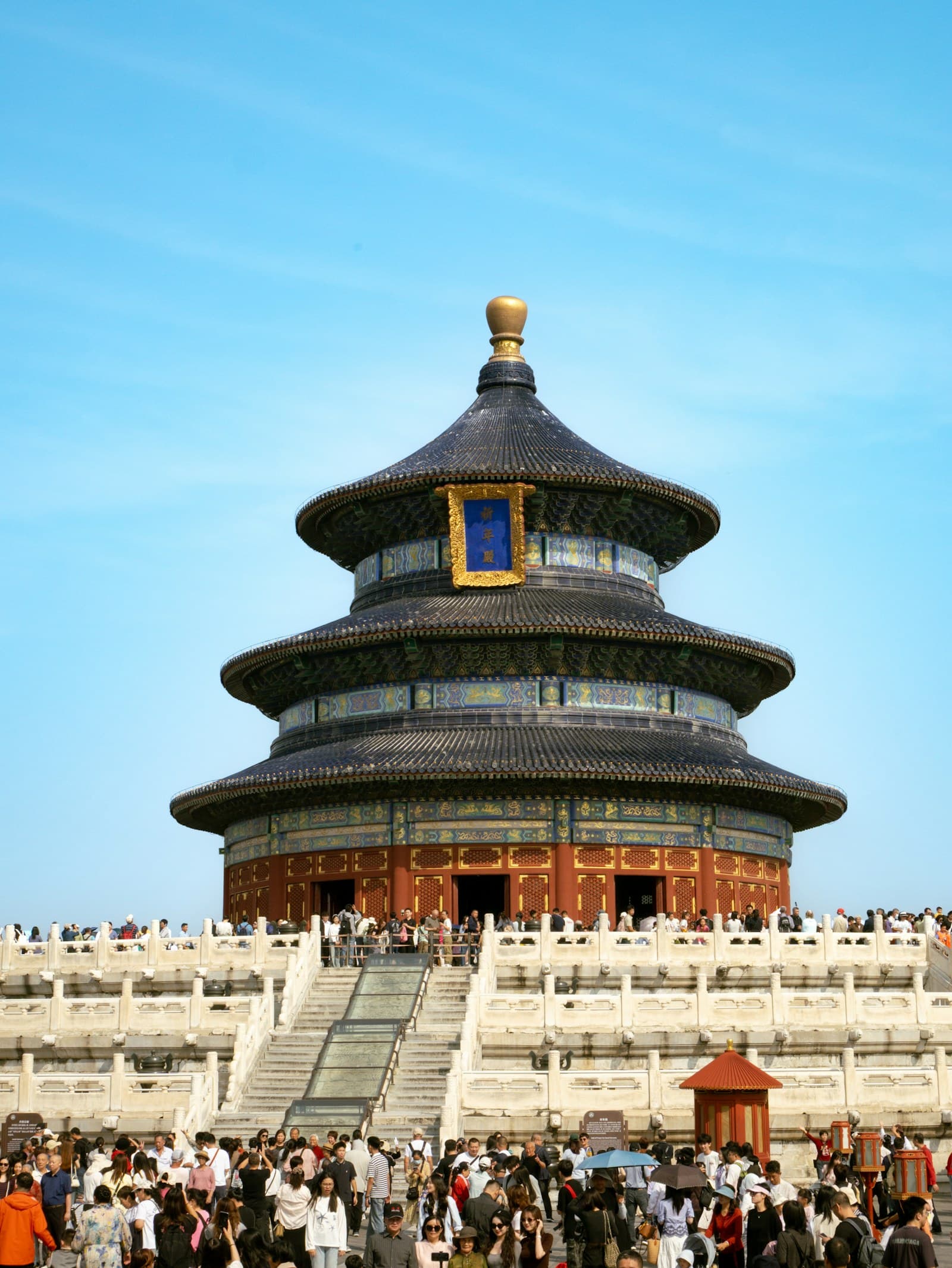
Temple of Heaven

The circular Hall of Prayer set in a large park where locals practise tai chi, cards and opera each morning.

Hours
Check park and hall hours
Admission
Park and hall tickets differ
Time needed
2–3 hours

Choose a combined ticket for the Hall of Prayer, Echo Wall and Circular Mound. Foreign-passport visitors can use the official WeChat ticket channel or ask at the park service counter; check hall closing times.

Fit it in: Visit in the morning, then continue toward Qianmen or the central axis.

Official visitor information
Imperial gardenHalf a day

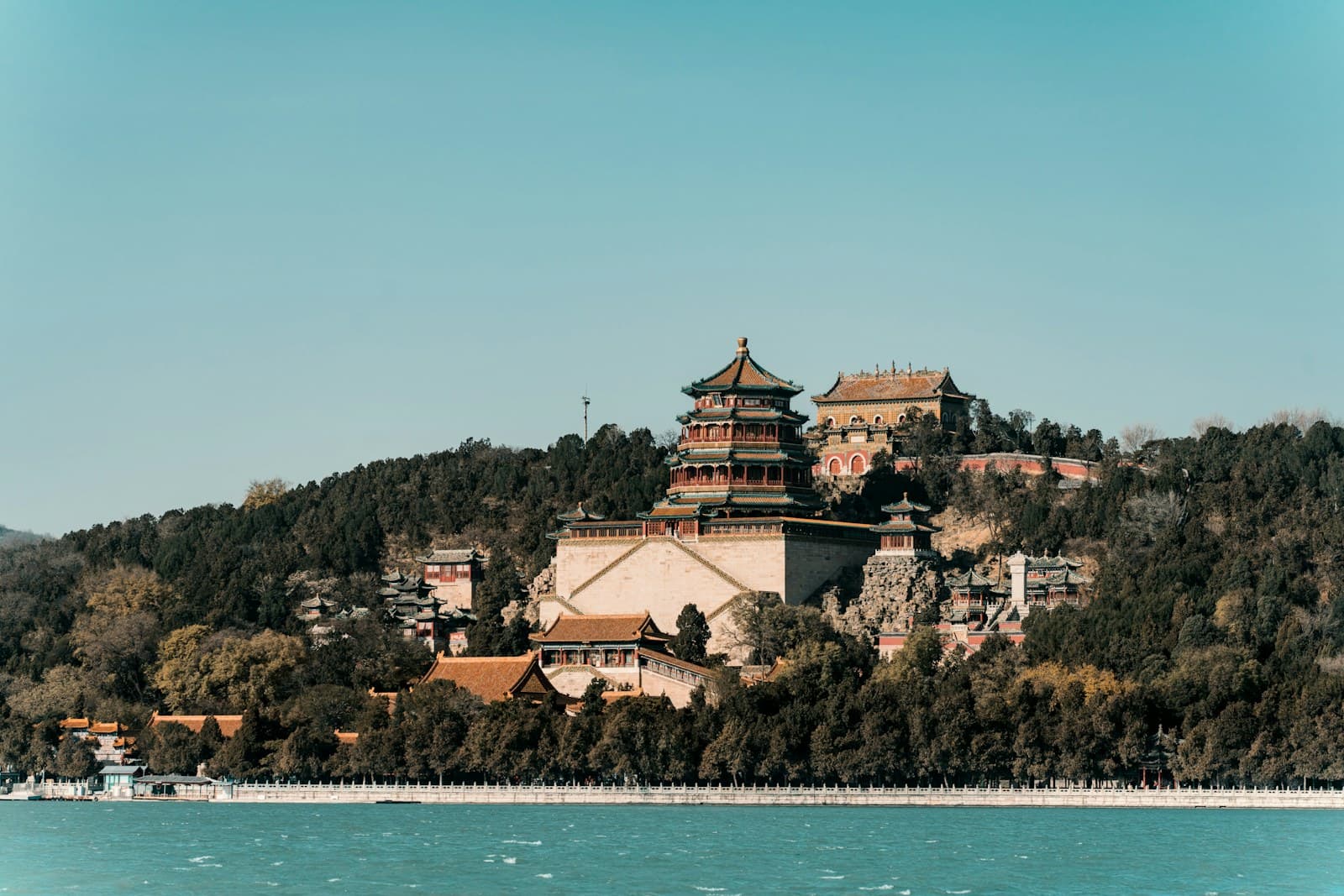
Summer Palace

Kunming Lake, the painted Long Corridor and hilltop views — the imperial family's escape from the city heat.

Hours
Check seasonal hours
Admission
Park and hall tickets differ
Time needed
Half a day

Allow extra time for the lake and hill. The combined ticket includes inner attractions; foreign-passport visitors can also ask at a gate service window about on-site tickets.

Fit it in: Keep it as a separate half-day; the gardens are northwest of the historic centre.

Official visitor information
Neighbourhood2–3 hours

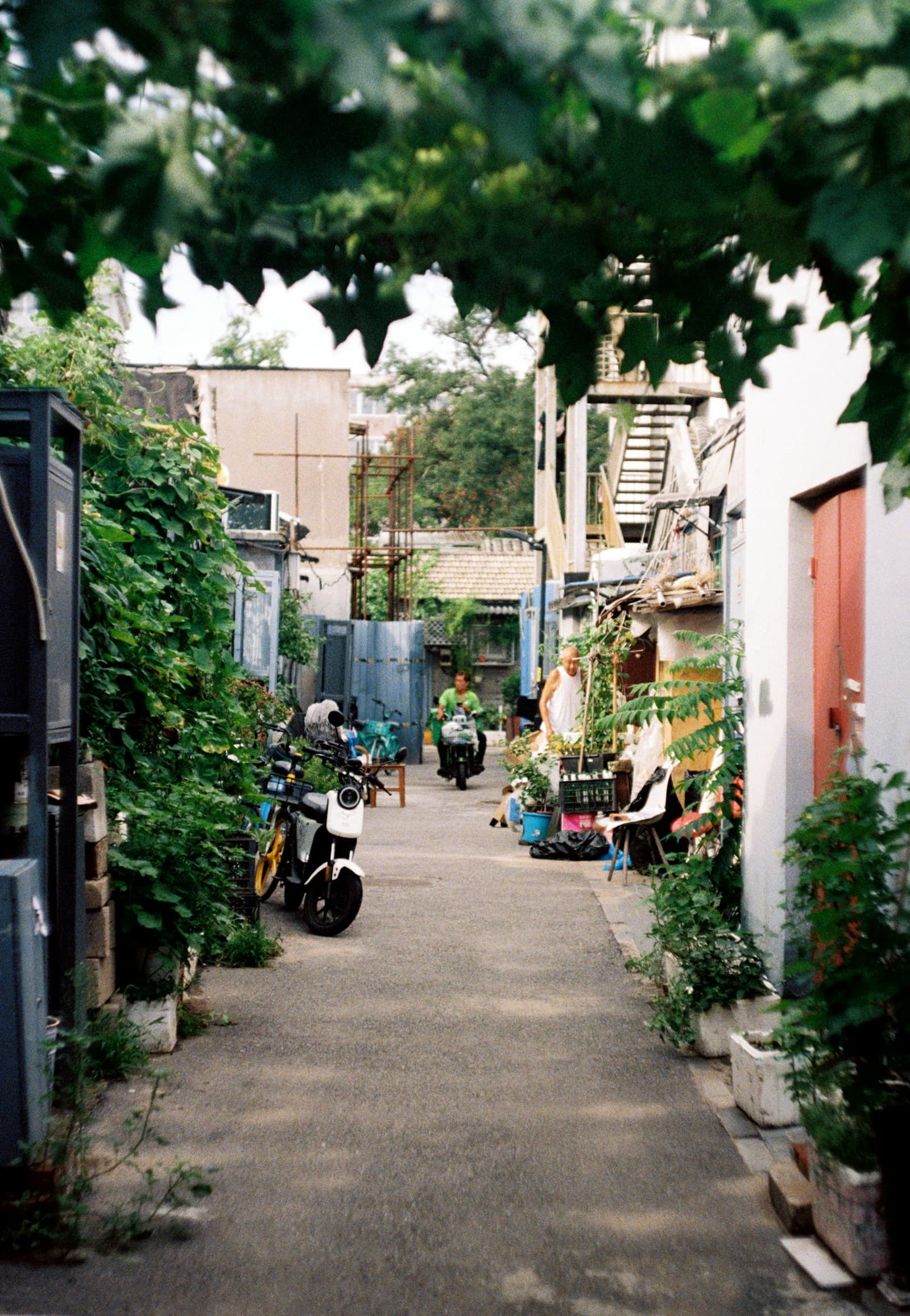
Hutongs & Shichahai

Grey-brick alleyways and courtyard homes around three lakes — the everyday, lived-in side of old Beijing.

Hours
Always open
Admission
Free
Time needed
2–3 hours

Free to wander; agree rickshaw tour prices clearly before setting off.

Fit it in: Try Shichahai after Jingshan, or explore quieter lanes around Dongcheng at your own pace.

Temple1–2 hours

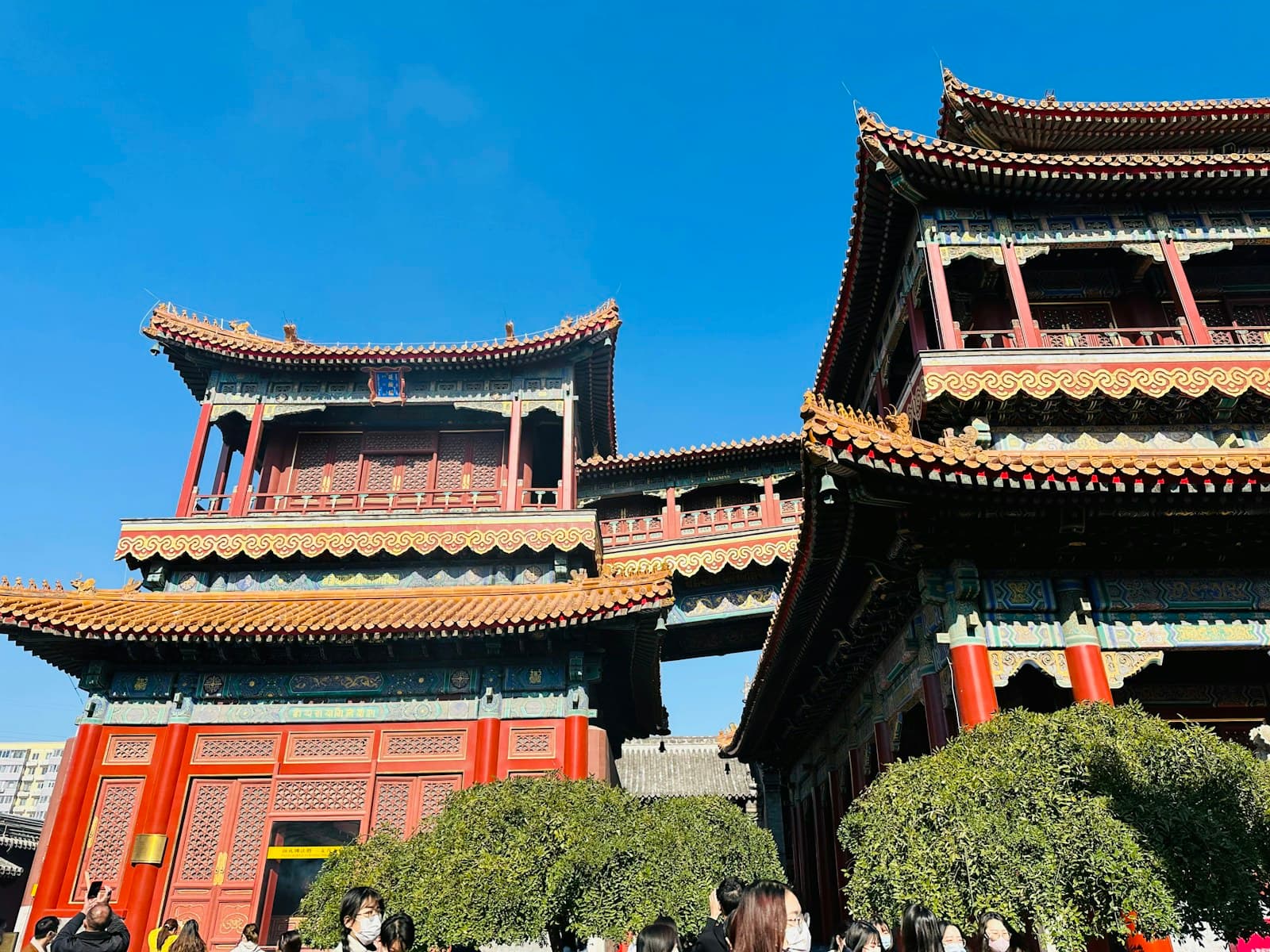
Lama Temple

Beijing's great Tibetan Buddhist temple, with incense-filled courtyards and an 18-metre sandalwood Buddha.

Hours
Check seasonal hours
Admission
Check current admission
Time needed
1–2 hours

Check the temple's official WeChat reservation channel and seasonal last-ticket time before travelling; dress respectfully in active worship areas.

Fit it in: Pair with the nearby Wudaoying lanes rather than crossing the city for another sight.

Official visitor information
Viewpoint1 hour

Jingshan Park

The hill directly north of the Forbidden City, with the classic top-down view over its golden roofs.

Hours
Check seasonal hours
Admission
Low-cost park ticket
Time needed
1 hour

No advance reservation is required; gate tickets accept cash, WeChat, Alipay and eligible foreign cards. You can also book 1–7 days ahead through the “Changyou Gongyuan” WeChat account or bjgyol.com.cn. The park is open 06:00–21:00, with ticket sales and entry ending at 20:30.

Fit it in: This is the natural stop after the Forbidden City; allow time for the uphill path.

Official visitor information
Contemporary2–3 hours

798 Art District

Bauhaus-style factory buildings turned galleries, cafés and design shops in the city's northeast.

Hours
Varies by gallery
Admission
District free; exhibitions vary
Time needed
2–3 hours

Check individual exhibitions before crossing town; many galleries close on Mondays.

Fit it in: Allow a dedicated half-day in the northeast; check the specific gallery before you go.

Itineraries

Beijing itineraries

Start with the length you actually have. Each plan keeps one major sight per half-day and leaves room for transport, queues and weather.

1 day

The imperial axis

  1. Morning · Enter Tiananmen Square if you have a reservation, then the Forbidden City through Meridian Gate.
  2. Afternoon · Leave the palace from its north gate and walk up Jingshan Park for the roofline view.
  3. Evening · Eat around Dongcheng or Qianmen. Keep the day light if you have just landed.
3 days

First visit, well paced

  1. Day 1 · Forbidden City → Jingshan → Shichahai. Secure the palace ticket first; confirm the Square's separate entry rule.
  2. Day 2 · Full-day Mutianyu outing. Allow most of the day for the road and wall; keep the evening free.
  3. Day 3 · Temple of Heaven in the morning, then Lama Temple and nearby hutongs. Swap the temple order if one closes early.
5 days

Add gardens and city life

  1. Day 1 · Settle in, then walk the Dongcheng hutongs and eat nearby. This is a flexible arrival day.
  2. Day 2 · Forbidden City → Jingshan → Shichahai. Book the palace before arranging the rest of the route.
  3. Day 3 · Full-day Mutianyu outing. Keep the evening open after the drive back.
  4. Day 4 · Summer Palace for half a day; leave the second half open for rest or an easy neighbourhood walk.
  5. Day 5 · Temple of Heaven, then Lama Temple. Choose 798 instead if contemporary art matters more to you; check gallery opening days.
Browse longer China routes

Food & drink

What to eat in Beijing

The dishes worth planning a meal around, plus the areas where you can try several in one evening.

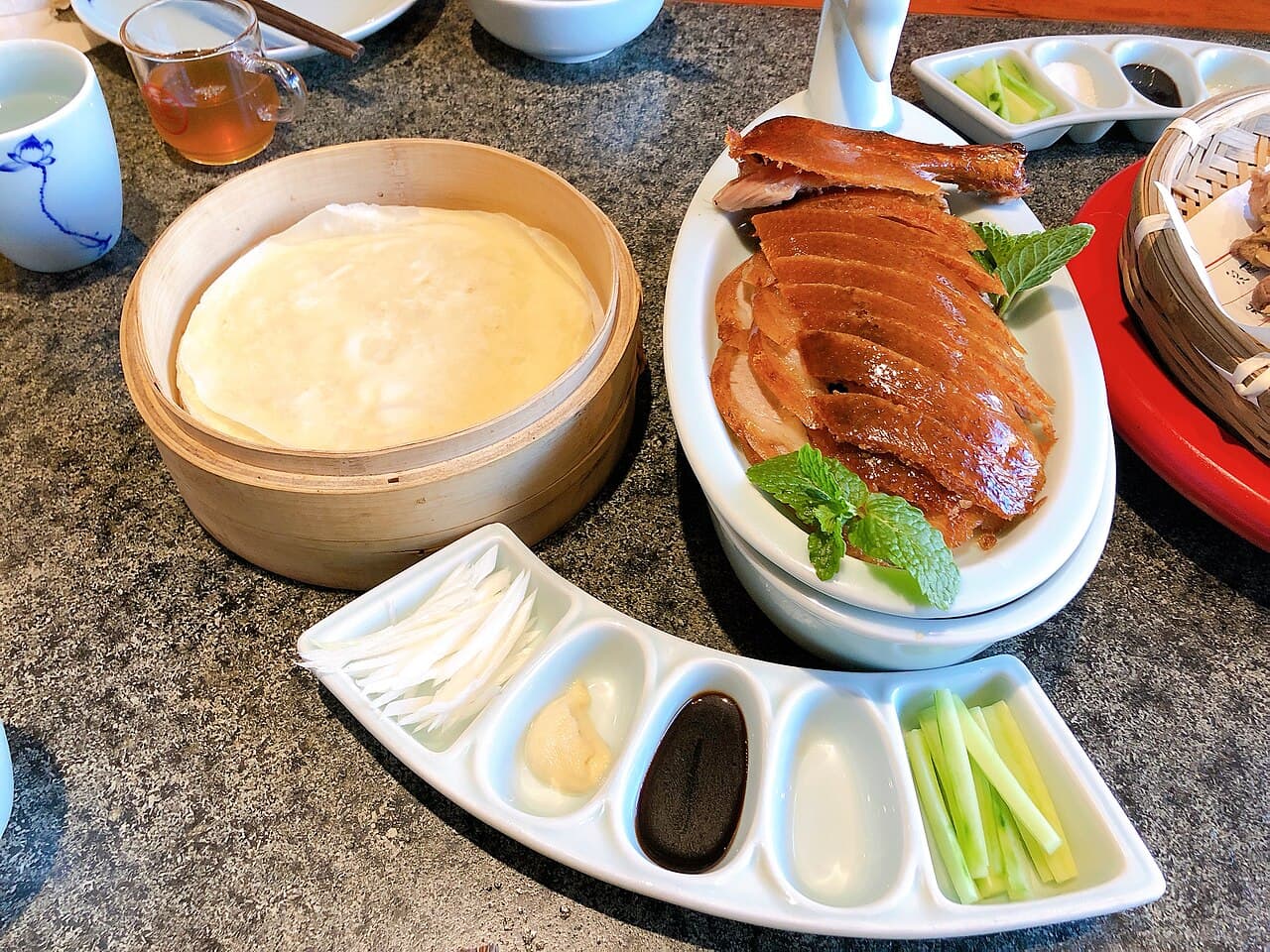
Peking duck北京烤鸭

Lacquered, crisp-skinned duck carved tableside, wrapped in thin pancakes with scallion, cucumber and sweet bean sauce.

Try it: Siji Minfu (book or queue early) or the historic Quanjude.

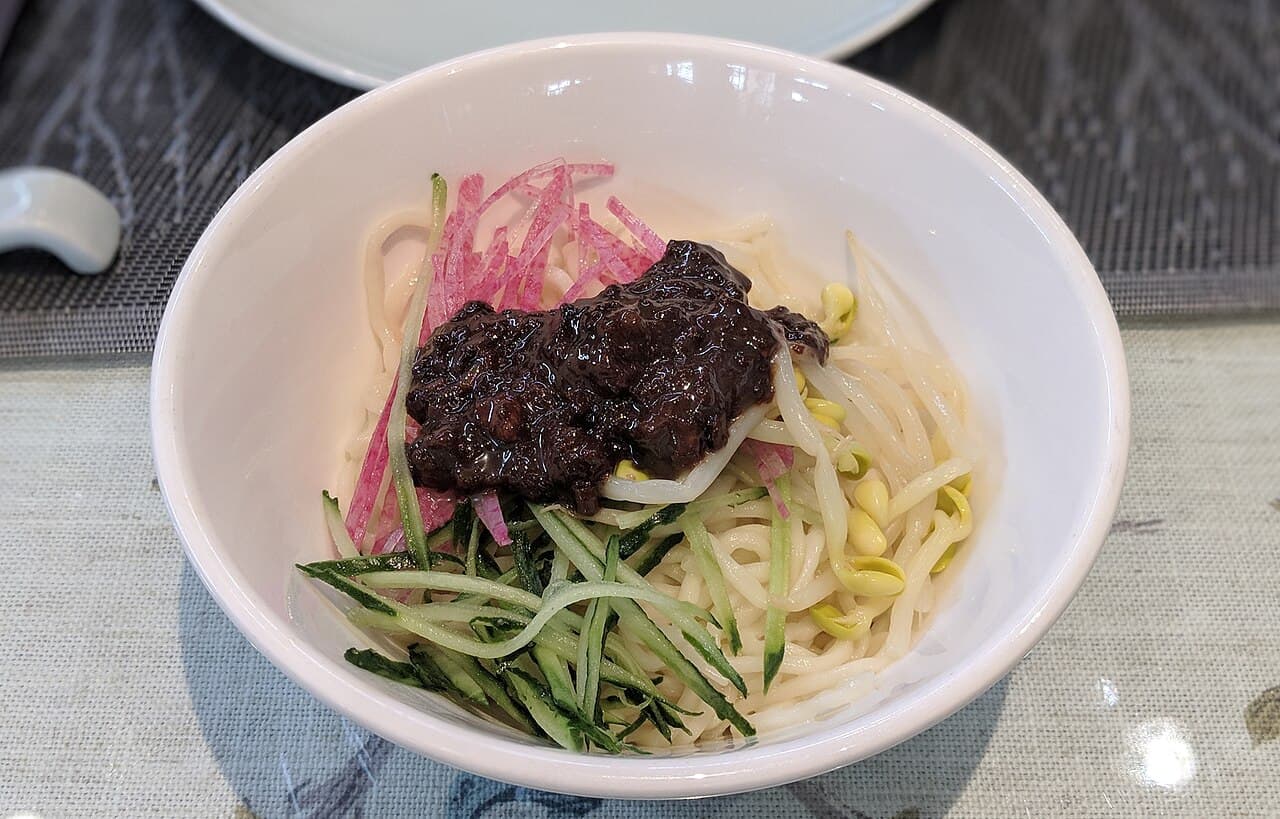
Zhajiangmian炸酱面

The city's everyday bowl: hand-pulled wheat noodles under fried soybean-paste sauce, with cucumber, beansprouts and celery.

Try it: Haiwanju, or any busy hutong noodle shop at lunch.

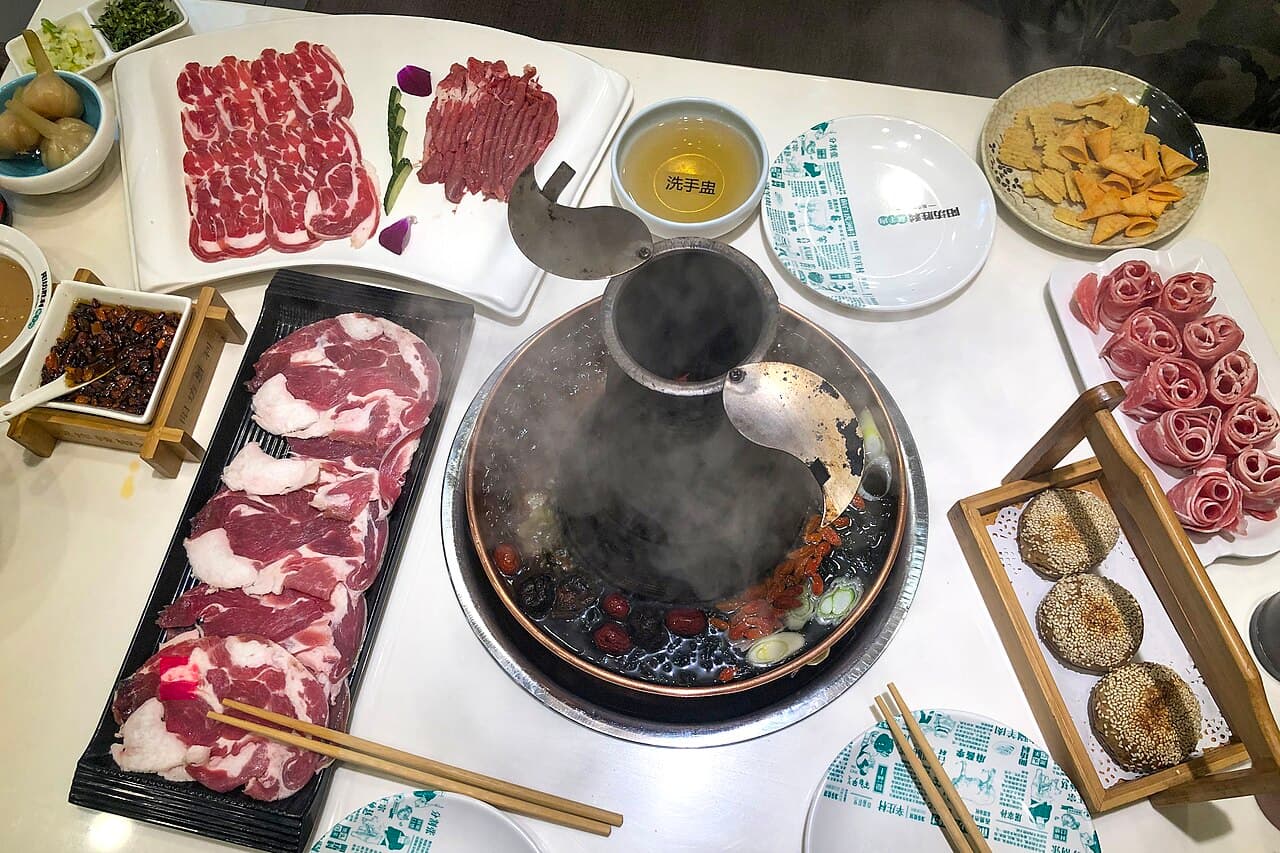
Copper-pot hotpot铜锅涮肉

Charcoal-fired copper pot of clear broth; paper-thin lamb slices swished for seconds and dipped in sesame sauce.

Try it: Nanmen Shuanrou near Houhai, or Man Heng Ji.

Hutong breakfast早点

Jianbing crepes folded on the griddle, soy milk and fried dough sticks. Douzhi — fermented mung-bean juice — is the brave option.

Try it: Street stalls from 6:00–9:00; follow the queue.

Guijie (Ghost Street)簋街

A red-lanterned strip of late-night hotpot and crayfish restaurants near Dongzhimen, busy until the early hours.

Niujie牛街

The Muslim quarter's food street — halal roast meats, sesame breads and traditional sweets around the city's oldest mosque.

Wangfujing area王府井

A central shopping area with changing food options. Explore side streets for restaurants rather than planning a meal around one snack market.

Getting around

Getting around Beijing

Arrival, payment and the everyday transport choices that make the biggest difference.

Two airports

Capital (PEK) is northeast and Daxing (PKX) is south. Both have airport express links; check your flight's airport code and the last train for your arrival time. International visitor service desks at both airports can help with SIMs and transit cards.

Rail stations

Beijing has several major stations: check the exact station on your 12306 ticket. Foreign travellers can book using passport details. Leave time for station security and passport checks.

Metro

All 29 lines and 523 stations support contactless Visa, Mastercard, JCB, American Express and UnionPay cards at the fare gates. A Beijing transit card or an in-app transport code is another option. Expect security screening at station entrances.

Didi & taxis

Use a licensed taxi queue or a ride-hailing app. Save your hotel address in Chinese and check the pickup point; traffic can make short trips slow at rush hour. Check payment setup in your app before your first ride.

Shared bikes

Shared bikes can be useful between neighbourhoods if the app accepts your account and payment method. Ride only where cycling is permitted and watch for traffic at intersections.

Reaching the Wall

For Mutianyu, compare a current direct tourist bus with a private transfer; schedules and departure points can change. Badaling has rail service from Beijing North or Qinghe. Check the exact station and return time before leaving.

Stay

Where to stay in Beijing

Choose the neighbourhood first, then the room. These areas trade atmosphere against transport time in different ways.

Dongcheng hutongs

Atmosphere and central sights

Courtyard boutique hotels inside the old alleyways, walking distance to the Forbidden City and Lama Temple.

Check the exact lane and nearest metro exit; cars may stop outside the hutong.

Wangfujing · Qianmen

First-timers

International hotels on the doorstep of the imperial axis; the easiest base for a short, sight-heavy stay.

Convenient for the palace axis; check walking distance because blocks are large.

Sanlitun

Dining and nightlife

Embassy-district energy, rooftop bars and the city's densest restaurant scene; longer rides to the historic core.

Good food choice; allow more time to reach the imperial sights.

Shichahai · Houhai

Evenings by the lakes

Hutong guesthouses around three lakes with bars and teahouses; lively at night, calm in the early morning.

Check night-time noise and car access before booking.

Guomao · CBD

Business-grade comfort

Skyline towers, big-brand hotels and Line 1/Line 10 metro links underfoot; efficient rather than atmospheric.

Metro access is useful; this is farther from the old-city atmosphere.

Read the China hotel and registration guide

FAQ

Beijing travel questions

Do I need a visa to visit Beijing?

It depends on your passport, purpose and route. The unilateral 30-day visa-free policy covers ordinary passports from 50 countries; for 48 of them it is currently listed through 31 December 2026, Russia through 31 December 2027 and Brunei without an end date. The 240-hour transit policy covers 57 countries, designated ports and permitted areas, and requires a confirmed onward journey to a third country or region. Check the National Immigration Administration and the visa guide before booking.

How do I book the Forbidden City?

Use the Palace Museum's official ticket site. Tickets open 7 days ahead at 20:00 Beijing time; same-day tickets are unavailable. Book with your passport, enter through Meridian Gate and check Monday closure exceptions on the official calendar.

Can I get by in Beijing without speaking Chinese?

In central Beijing, largely yes: metro signs and announcements are bilingual, and translation apps handle menus and conversations. Save your hotel and destinations in Chinese characters for taxis, and expect limited English outside tourist areas.

Do I need cash in Beijing?

Mobile payments are widespread, but international-card setup and merchant acceptance can vary. Carry a modest cash backup and your physical bank card. Beijing's subway gates also accept major international cards on supported lines.

Is Beijing safe for foreign travellers?

Plan for ordinary city risks: watch traffic at crossings, keep belongings close on crowded trains, and agree any rickshaw price before riding. Use official transport queues and check your own government's current travel advice before departure.

How many days do I need in Beijing?

Four to five days covers the imperial axis, a Great Wall day, the major temples and the evening food scene without rushing. With three days, prioritise the Forbidden City, one Wall section and the Temple of Heaven — and skip the museums.

Which Beijing airport should I fly into — PEK or PKX?

Both have rail links into the city. Check the airport code on your ticket: Capital (PEK) is northeast and Daxing (PKX) is south. Your hotel location, flight schedule and arrival time matter more than the airport name.

When is Beijing especially busy?

The National Day and May Day holiday periods can bring the year's biggest crowds and sold-out reservations. Check the official calendar for that year. Midsummer is hot and busy; midwinter is cold but quieter.

Sources & review

How this guide is checked

Keep exploring

All destinations